
Fisheries and aquatic livelihoods
Research grounded in Cambodia’s fisheries
CIRD has worked with fishing communities, fish farmers, processors, traders, public agencies and research partners across Cambodia. We combine field research, value-chain analysis and local engagement to inform practical decisions on fisheries and rural livelihoods.
What CIRD brings
Research that stays close to people and place
CIRD combines fisheries research with long-standing experience in rural development and local institutions in Cambodia.
Applied field research
Interviews, surveys, focus groups, field observation, market mapping and stakeholder consultation—from research preparation through data quality and reporting.
Livelihoods and gender
Analysis of income, food security, mobility and household roles, with attention to women and others whose contribution to fisheries is often overlooked.
Value chains and markets
Tracing fish through production, landing, processing and trade to understand market routes, processing practices, product-quality concerns and market access.
Institutions and collective action
Working with producer groups, public agencies, researchers and market actors to turn evidence into shared standards, practical plans and stronger local organisations.
Selected work
A research record across fisheries and trade
The examples below show CIRD’s role in field research, coordination and practical institutional development.
Multi-province value-chain research
Dried fish value chains in Cambodia
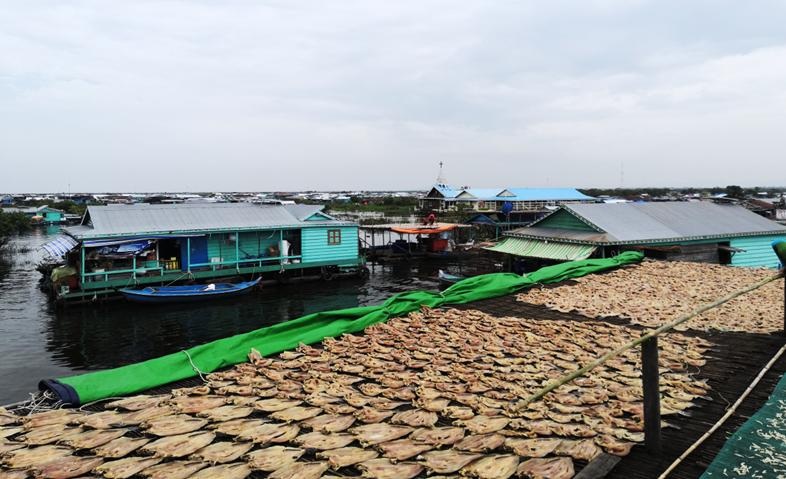
Through Dried Fish Matters, CIRD worked with the Asian Institute of Technology and the University of Manitoba on the social, economic and food-security importance of dried fish. CIRD helped coordinate the Cambodia research, recruit and train survey assistants, support Khmer-language fieldwork, and supervise data entry and cleaning.
© 2026 CIRD, the Asian Institute of Technology and the University of Manitoba. Licensed under CC BY-SA 4.0.
Standards and organisation
Siem Reap Prahok
CIRD provided technical and facilitation support for a 2024 survey, identification of key value-chain actors, development of the Siem Reap Prahok Book of Specifications, and formation of the association managing the registered geographical indication.
Small-scale fisheries
Disruption, adaptation and coastal livelihoods
With the Centre for Poverty Analysis and the Asian Institute of Technology, CIRD contributed to research on environmental and economic disruption, gendered adaptation and the social economy of coastal small-scale fisheries.
Gender, mobility and trade
Women fish traders and fishing-community livelihoods
Earlier studies examined women fish traders at the Cambodia–Thailand border and the relationships between migration, social networks, poverty and wellbeing in fishing communities.
Current field perspective
Field research begins with how farmers work
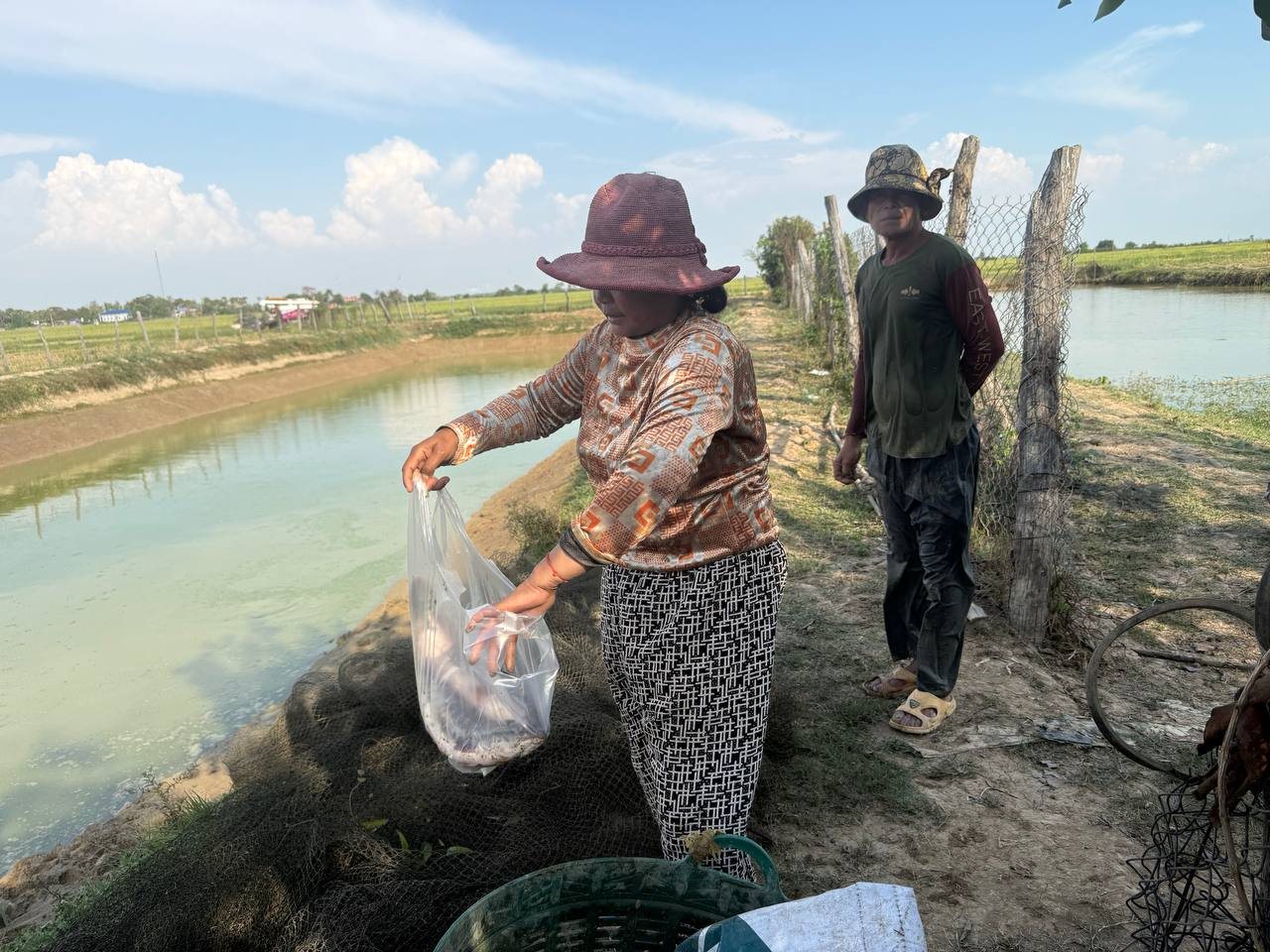
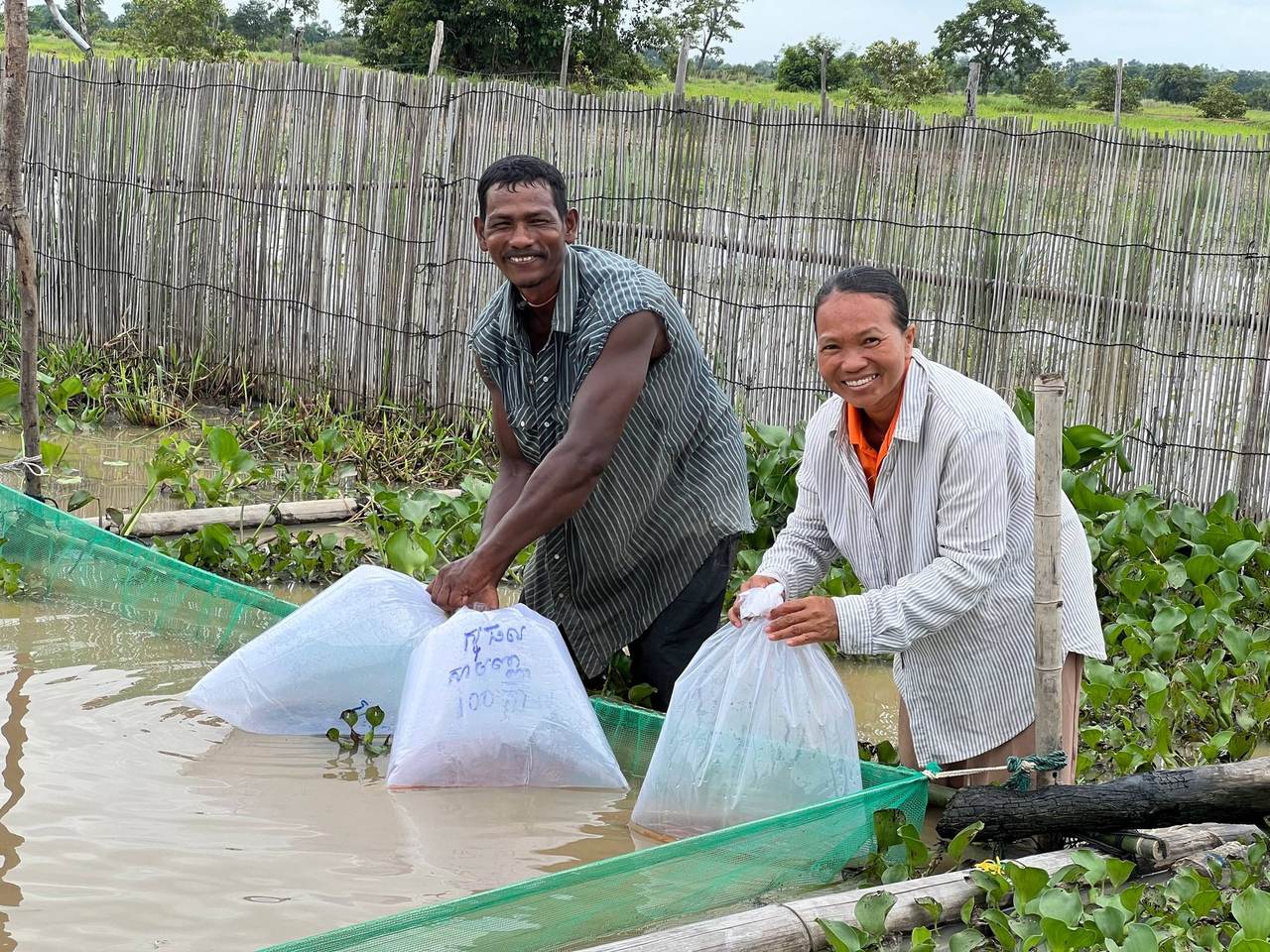
During 2026, CIRD met pond farmers and a local processor in Kampong Thom, and worked with farmers on integrated rice-field fish production in Siem Reap. These field exchanges keep questions about production, markets, household livelihoods and environmental conditions grounded in local experience.
See recent field workWorking across disciplines
Connecting conservation with everyday realities
Conservation decisions affect livelihoods, food security, markets, household roles and local institutions. CIRD studies and facilitates these dimensions alongside partners who bring marine ecology, spatial planning and biodiversity expertise.
Work with CIRD in Cambodia
Talk with CIRD about Cambodia-based field research, Khmer-language coordination, value-chain studies, stakeholder engagement and livelihood analysis.