
SAIA
Syntropic Agroforestry Innovation Accelerator
A learning pathway for syntropic agroforestry: share knowledge, learn together, test practices in local plots and build on what the field evidence shows.
Part of CIRD’s wider Agroecology work
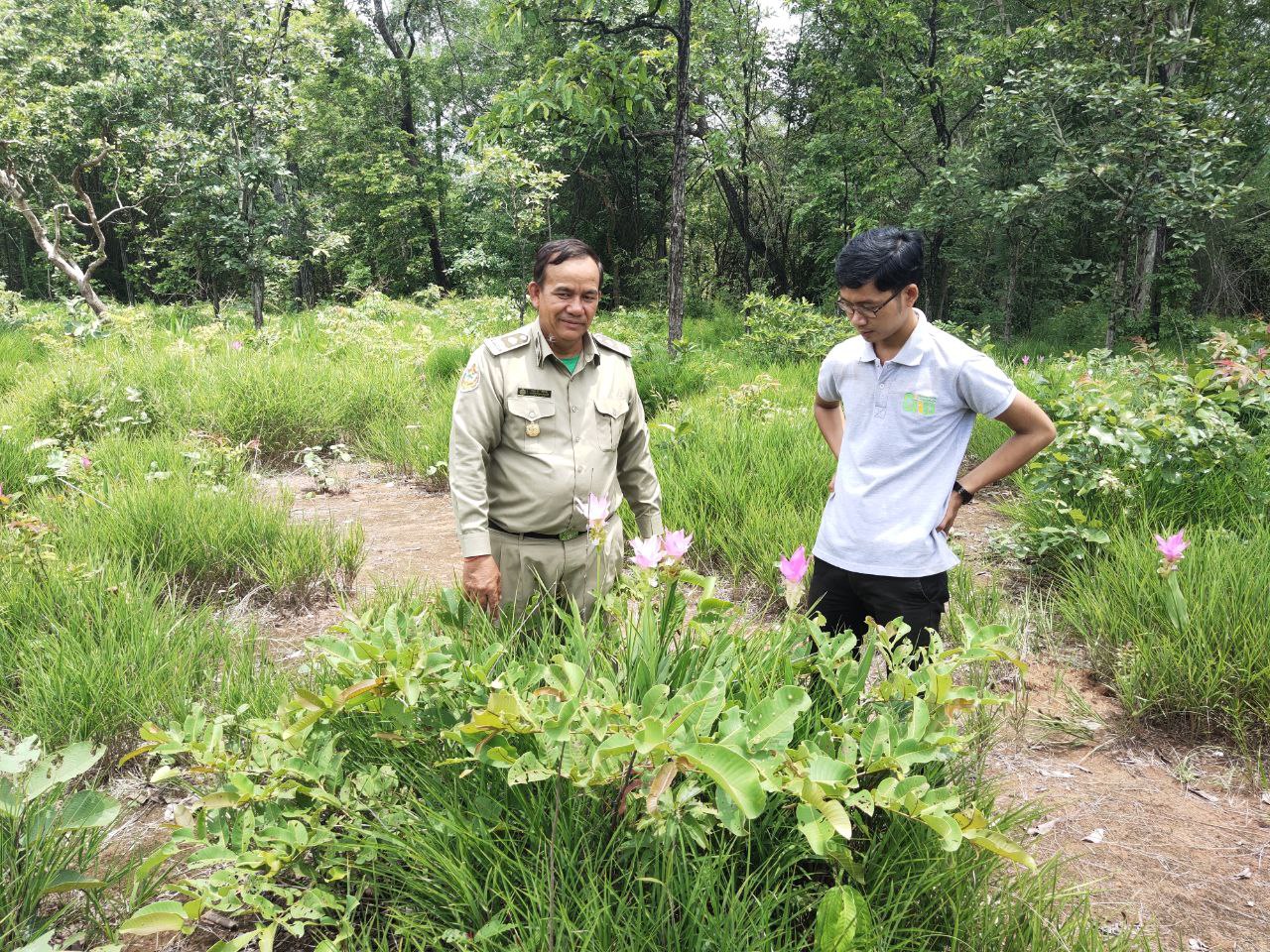
Learning in the field
Start with the farm and its people.
Syntropic agroforestry brings trees, crops and managed vegetation into a farm design. The SAIA approach gives farmers and participating organisations a way to explore that design through practical training and local trials.
The starting point is the farm: its land, water, labour and the people who manage it. Demonstrations make the work visible; follow-up gives farmers and field teams time to observe, ask questions and adapt.
Learning model
The SAIA flywheel
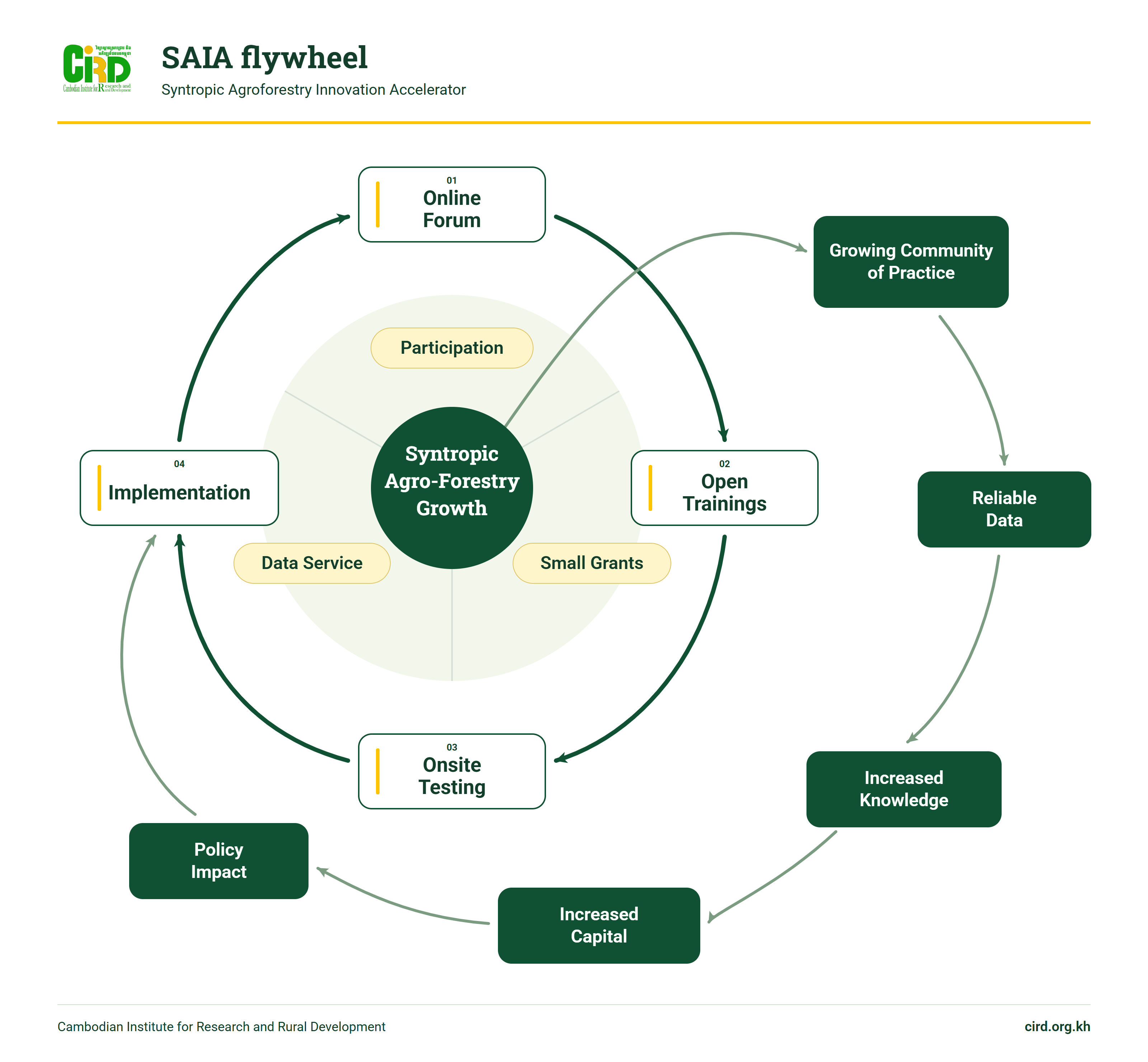
Read the flywheel
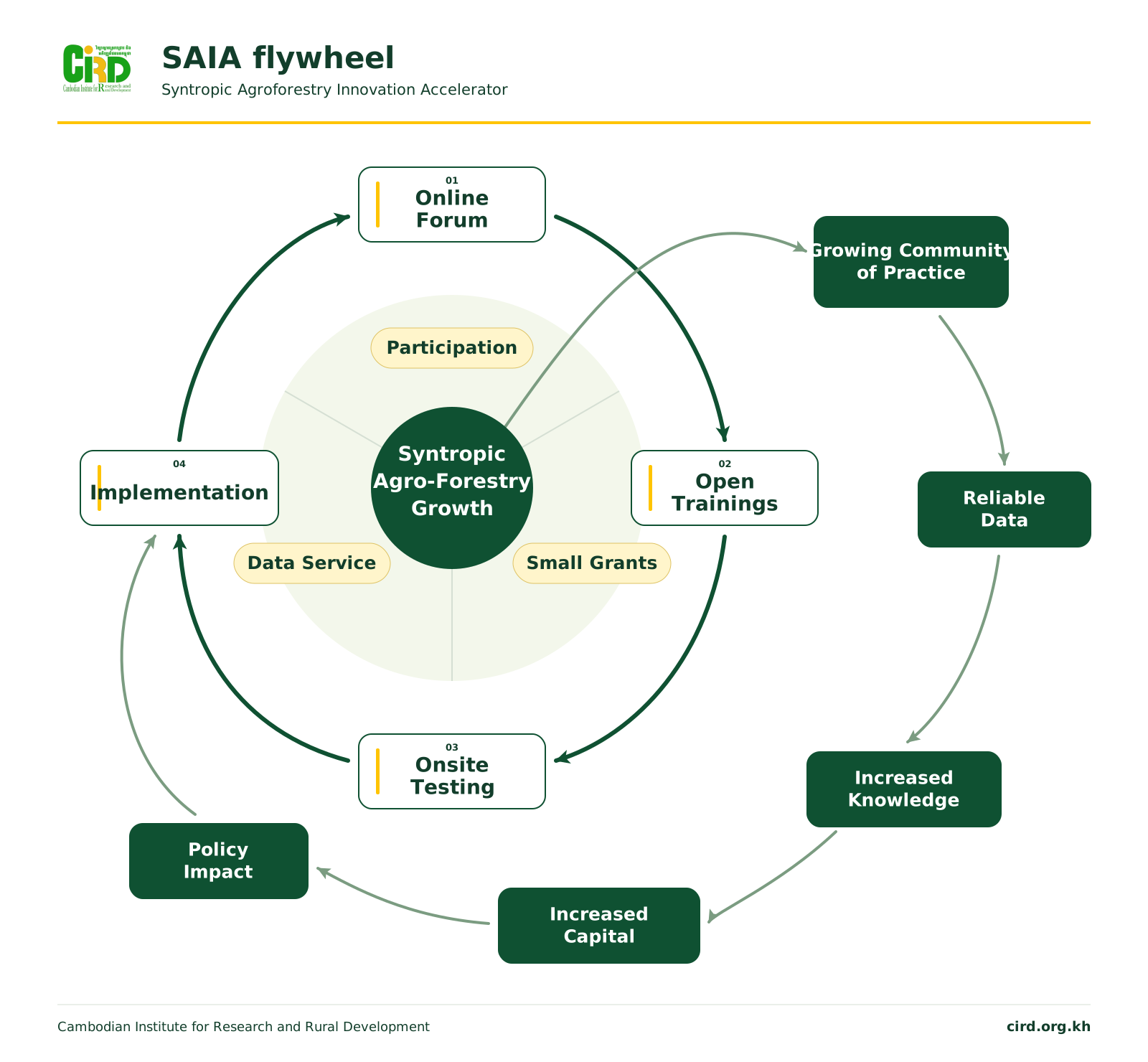
Online Forum → Open Trainings → Onsite Testing → Implementation → Online Forum.
Participation, Small Grants and Data Service support Syntropic Agro-Forestry Growth at the centre.
Growth leads to Growing Community of Practice → Reliable Data → Increased Knowledge → Increased Capital → Policy Impact, which feeds back into Implementation.
Observe, adapt and share
People carry the learning forward.
Local organisations can support follow-up and help farmers share experience with their neighbours. Field records belong alongside the local conditions: crops, soil, water, management, labour and costs.
Together, practical observations and conversations help people judge what to adapt before extending a trial.
Talk with CIRD.
Ask about current learning opportunities or discuss a possible collaboration.